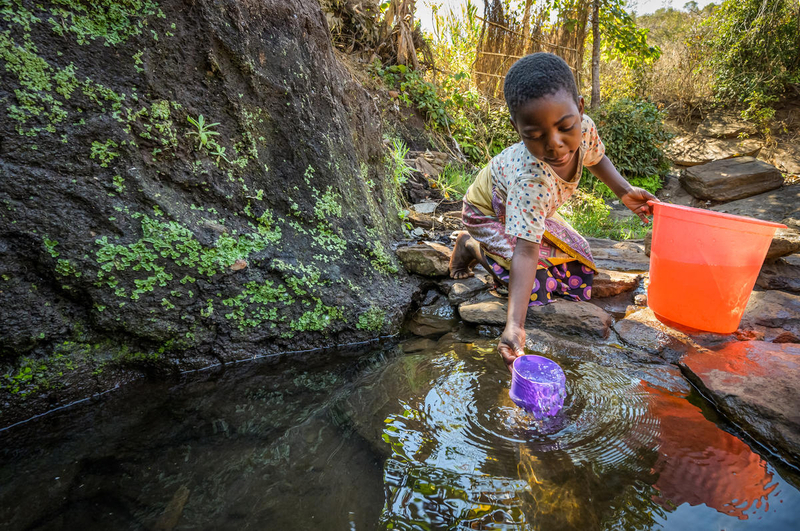
The provision and access to water (of standard quality) is a fundamental human rights issue. The challenges of inequitable distribution and access, excessive commercialization, pollution of water sources and climate-induced scarcity threaten the livelihood of marginalized territories and people as well as efforts to achieve universal access targets.
The United Nations Sustainable Development Report (SDG) in 2024 says that 2.2 billion people still lacked safely managed drinking water, and that water scarcity facing the global urban population will likely double from 930 million people in 2016 to 1.7–2.4 billion people by 2050.

In Ghana, urban and rural communities are faced with water access and quality problems as a result of pollution of water bodies from illegal mining activities and the use of hazardous chemicals. It is estimated that 60% of the water bodies are contaminated and 76% households are at risk of drinking unsafe water. The problem is aggravated by the seasonal flooding and related public health issues such as water borne diseases, choked drainages, leakage in water supply pipelines, and environmental damage from plastic waste including single-use drinking water sachet bags.
The SDG 6 emphasizes access to water and sanitation for all by 2030. It identifies the following as critical factors to reduce water poverty and stress:
- investments in infrastructure and facilities
- protection and restoration of water-related ecosystems
- hygiene education and (iv) improving water-use efficiency.
Localized campaigns are important to address the water access gaps and inequalities.
At WaHTEG, we:
- Carryout social campaigns and awareness raising activities and events
- Conduct research and publication to generate critical information for stakeholders
- Mobilize and build capacity of people especially, the youth to carryout advocacy activities in their various communities
- Facilitate and build network of industry players for improved coordination, mutual support, partnership and sustainability.
- Advocate for inclusion of the youth, women and disadvantaged communities in participatory water resource management.
- Hold water service providers (public and private) accountable through the creation of our flagship Water Services Accountability Platforms (WaSAPs).
Our Social Advocacy programmes and events are yielding positive results by creating awareness, whipping interest and promoting stakeholder engagement for collective action in the various communities.


Leave a Reply