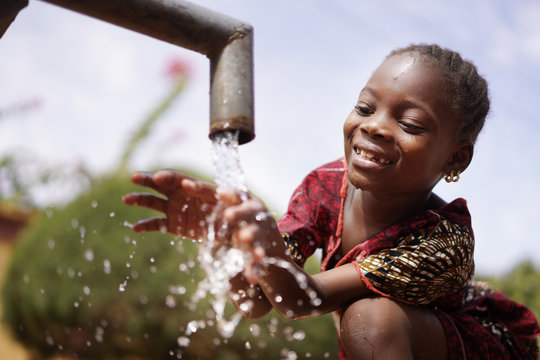
Water is life, but beyond its essential role in health and survival, it is also a powerful engine for economic opportunity. Across developing and emerging economies, the water sector holds untapped potential to create thousands of sustainable jobs, especially for young people seeking meaningful livelihoods.
The Water Economy: An Overlooked Opportunity
The water industry is far more than just supply and consumption. It is a vast ecosystem that includes water treatment, purification, packaging, distribution, infrastructure maintenance, and quality testing. Each stage of this value chain presents opportunities for employment, entrepreneurship, and innovation.
From sachet and bottled water production to filtration system installation and maintenance, the demand for safe drinking water continues to grow—creating a steady need for skilled hands and creative minds.
Job Creation Across the Value Chain
1. Production and Processing
Packaged water production remains one of the most accessible entry points into the water sector. Small and medium-scale enterprises can employ workers in areas such as machine operation, quality control, packaging, and logistics.
2. Sales and Distribution
The movement of water products from producers to consumers creates jobs for distributors, retailers, drivers, and marketers. With proper structuring, this segment alone can employ a significant number of youth.
3. Equipment and Technology
The demand for water purification systems, borehole drilling equipment, and filtration technologies has opened doors for technicians, engineers, and product dealers. Skilled professionals are needed to install, maintain, and repair these systems.
4. Water Quality Testing and Compliance
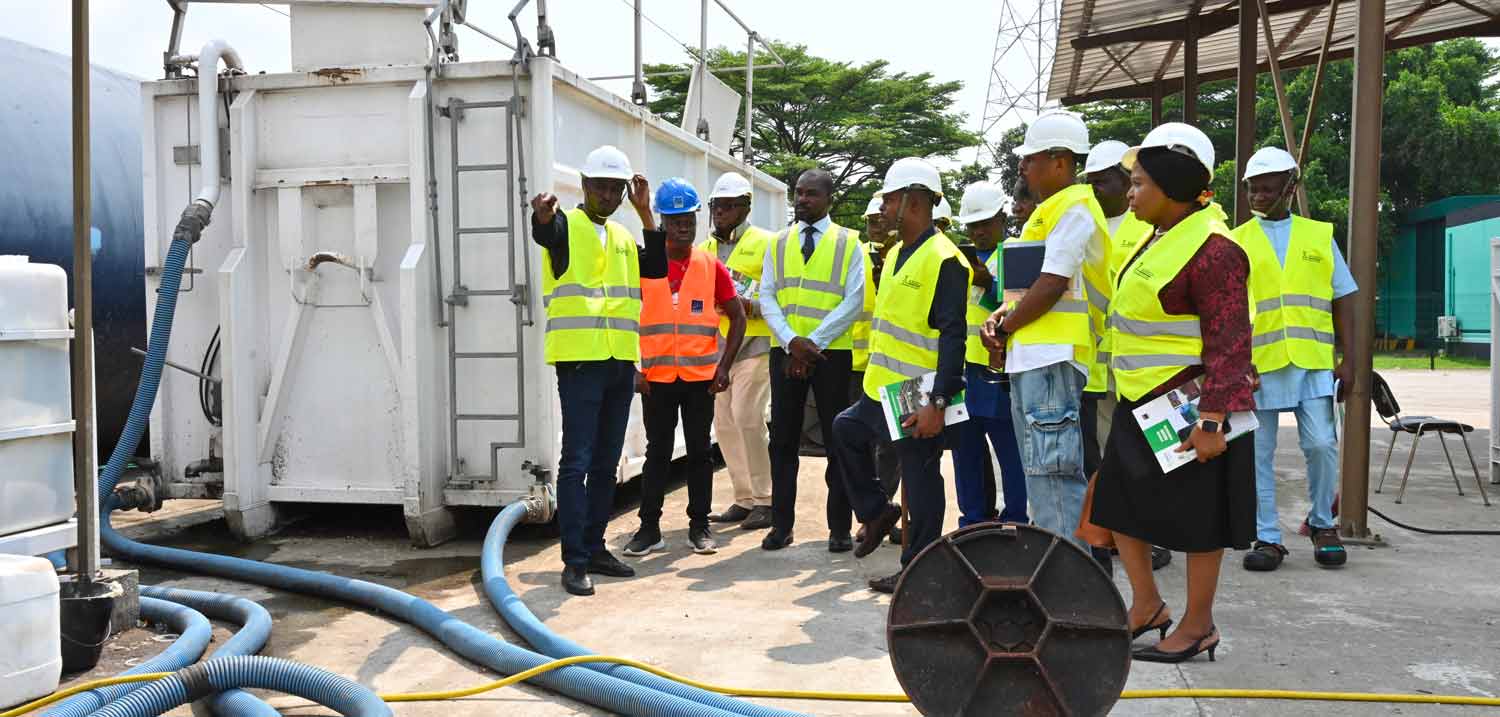
Ensuring safe water requires regular testing and adherence to regulatory standards. This creates opportunities for laboratory technicians, field inspectors, and compliance officers.
Empowering Youth Through Skills and Innovation
One of the greatest strengths of the water sector is its accessibility. With the right training and support, young people can quickly acquire practical skills and enter the industry.
Training in areas such as:
- Water treatment techniques
- Equipment handling and maintenance
- Business management
- Quality assurance
can transform unemployed youth into skilled professionals and entrepreneurs.
The Role of Organizations Like WaHTEG
Organizations such as WaHTEG play a critical role in bridging the gap between opportunity and access. By providing training, mentorship, networking, and advocacy, they help young people navigate the water sector and build sustainable careers.
Through structured programs and partnerships, WaHTEG supports:
- Startup incubation for water-related businesses
- Professional certification and skill development
- Access to tools, equipment, and markets
- Industry networking and collaboration
A Pathway to Sustainable Development
Investing in the water sector does more than create jobs—it improves public health, strengthens communities, and drives economic growth. Clean water reduces disease, increases productivity, and enhances quality of life.
When young people are empowered to work within this sector, the impact multiplies:
- Families gain stable incomes
- Communities access safer water
- Economies become more resilient
Conclusion
The future of job creation lies in sectors that address real human needs—and water is at the top of that list. By harnessing the full potential of the water economy, we can create sustainable jobs, empower youth, and build healthier societies.
Creating jobs through water is not just an idea—it is a practical, scalable solution for inclusive growth and lasting impact.


Leave a Reply